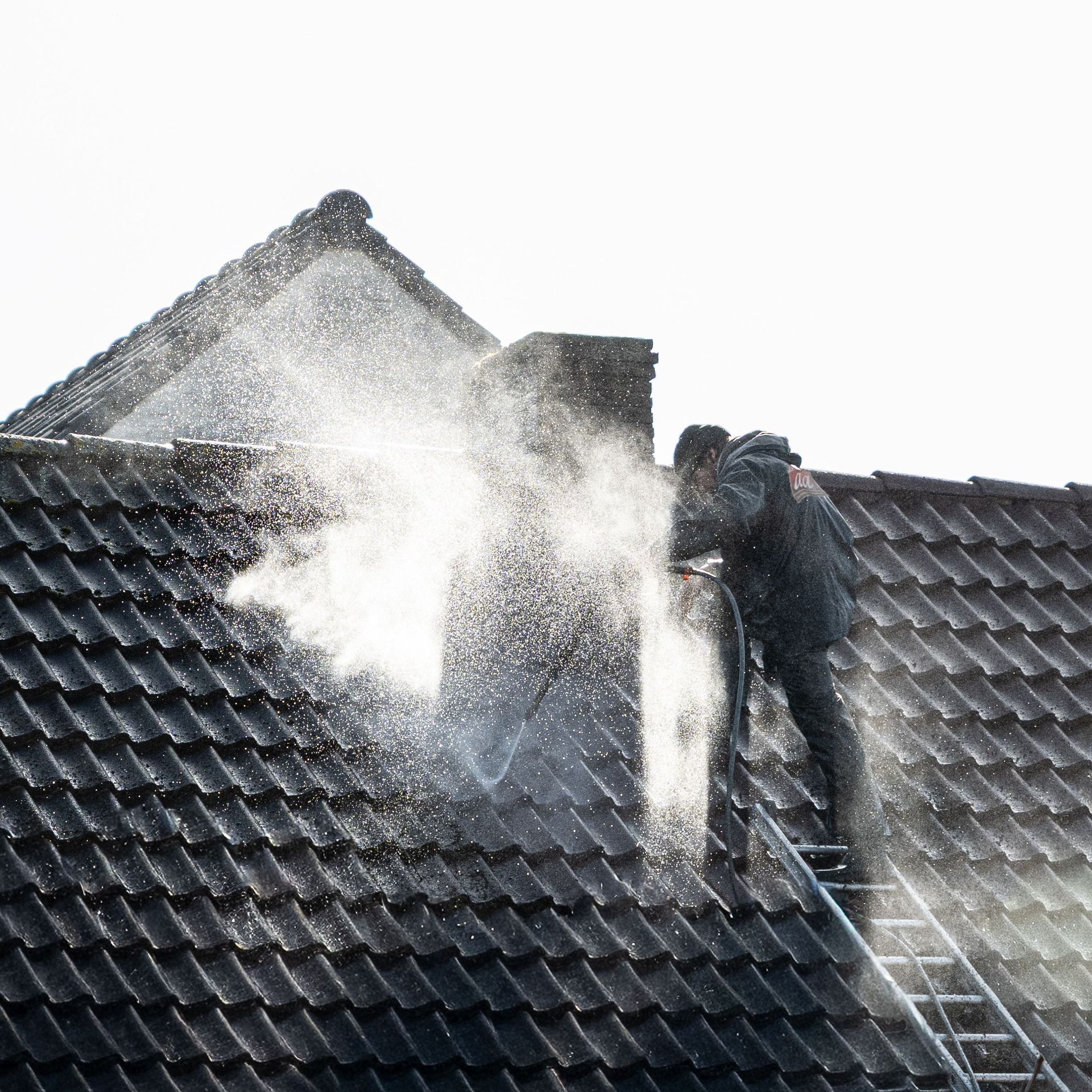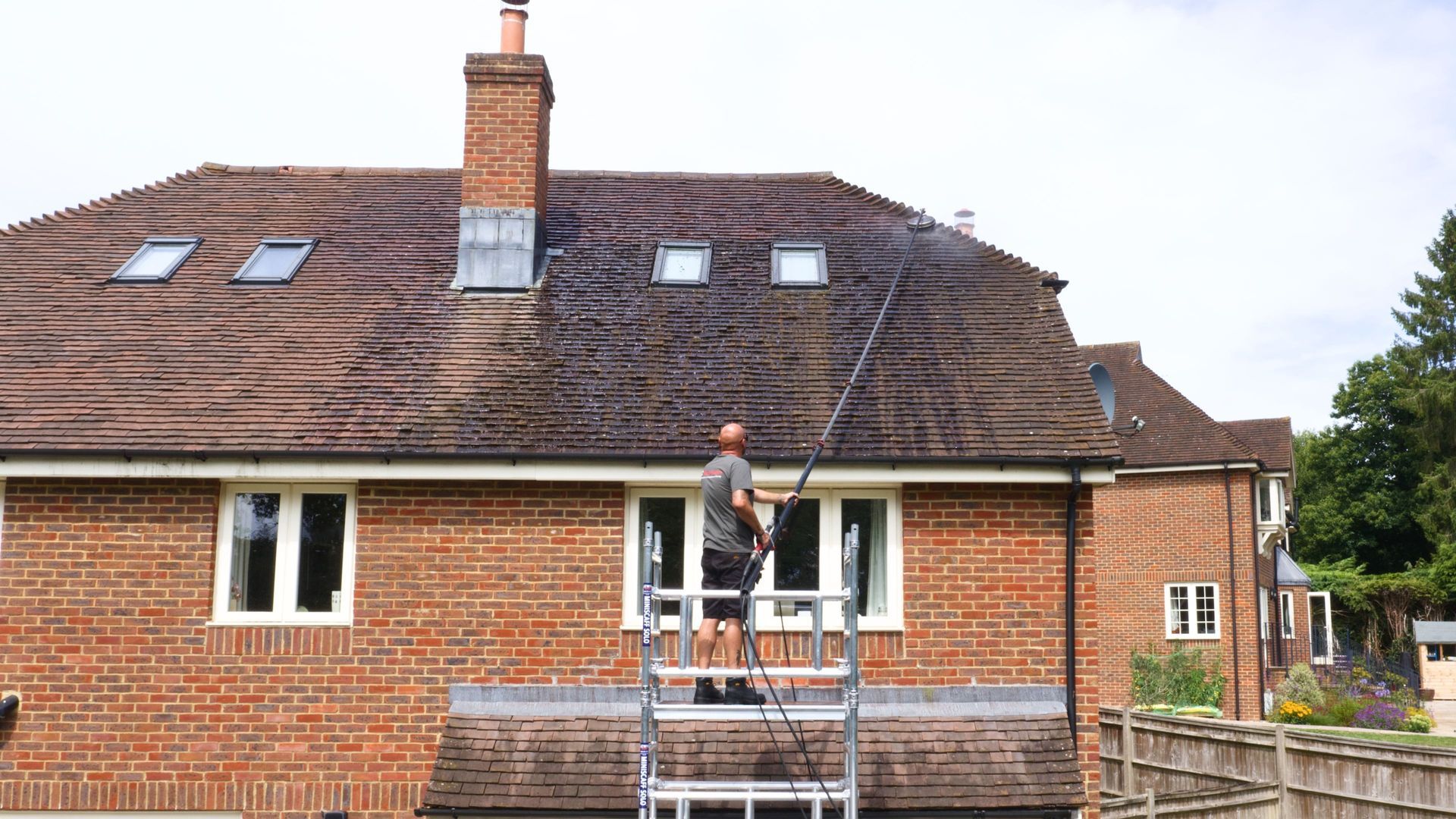
When Does an Ipswich Roof Need Cleaning? Signs to Watch
Most of us rarely look up at our own roofs, so it is easy to miss the point at which one goes from simply weathered to genuinely needing attention. In Ipswich, where estuary salt, damp, and wind all act on a roof alongside the usual moss and algae, knowing the warning signs is especially useful. Catching a problem early is almost always cheaper and simpler than dealing with the damage it causes if left. This detailed guide walks through the clear signs that an Ipswich roof needs cleaning or attention, what each one means, and when it is worth acting rather than waiting.
The quick answer: Your Ipswich roof likely needs cleaning if you can see thick moss or lichen on the tiles, moss clumps in the gutters or garden, gutters overflowing in rain, or slipped and loose tiles. Damp patches appearing inside are a sign the problem has already advanced. When in doubt, a quick professional look will tell you where your roof stands.
1. Visible Moss and Green Growth
The most obvious sign is moss you can see from the ground. A light green tint may be mostly cosmetic, but thick, spongy moss building up, especially lodged in the curves of pantiles or on the shaded, estuary-facing slope, is a clear sign the roof needs cleaning. On Ipswich's older and waterside homes, these damp, shaded slopes tend to show it first.
Left to build, that moss holds moisture against the tiles, works into gaps, and eventually sheds into the gutters. The thicker it gets, the more it does, so heavy moss is a prompt to act rather than a look to live with.
2. Crusty Lichen and Dark Streaks
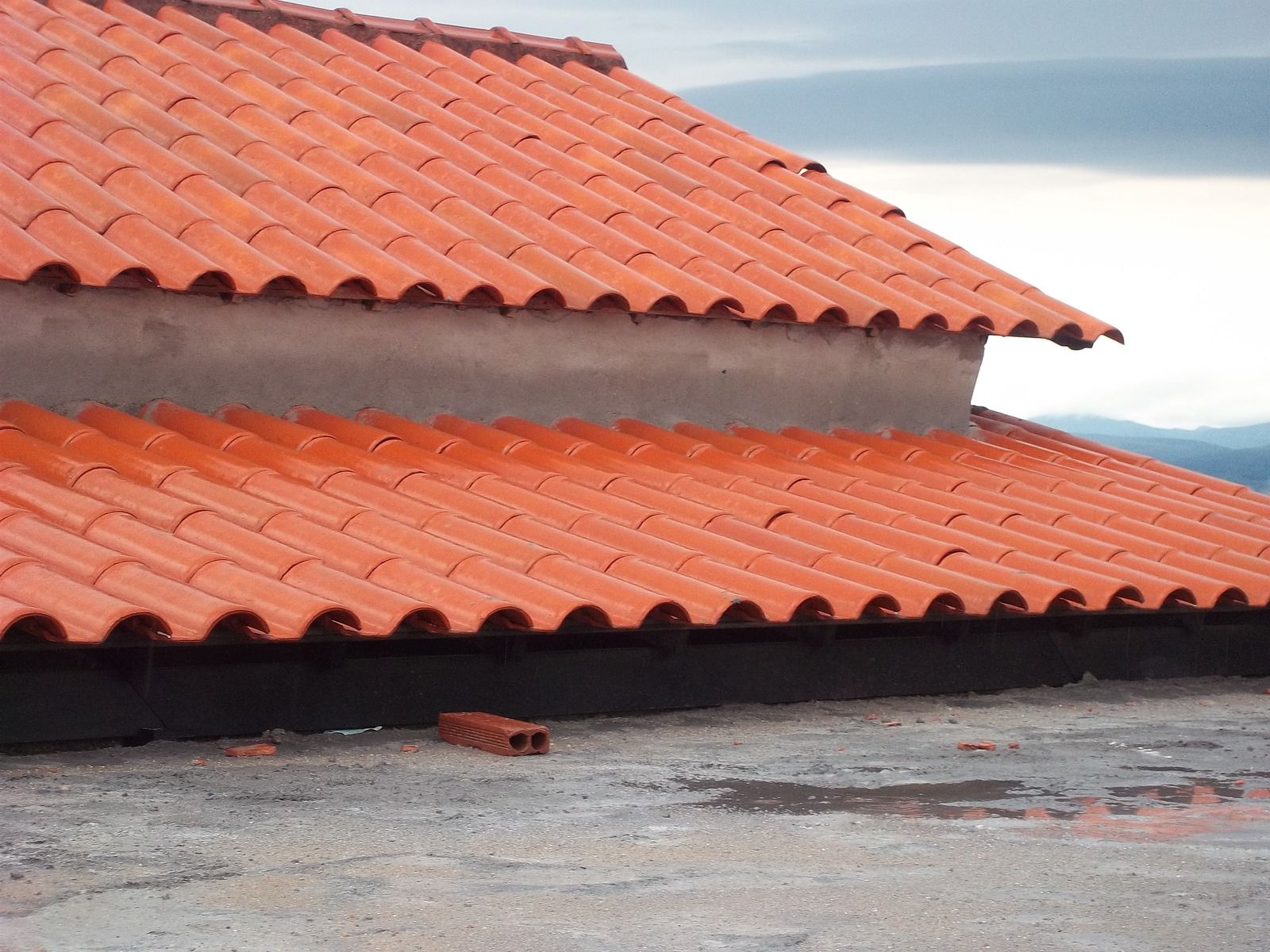
Not all roof discolouration is moss. Crusty pale patches gripping the tiles are lichen, and dark streaks running down them are algae, both living growths rather than dirt. They will not wash away in the rain, and in Ipswich the estuary salt that keeps surfaces damp helps them establish and spread.
Early on these are mainly a matter of appearance, but over time they hold moisture like moss does and, with lichen especially, grip hard into older tile surfaces. Streaking and lichen that are spreading year on year are a sign the roof would benefit from a proper clean.
3. Moss Clumps in the Gutters or Garden
Sometimes the clearest sign is not on the roof but below it. If you are finding clumps of moss in the gutters, on the ground, or on a conservatory, it means the covering on the roof has thickened to the point where it is breaking away and shedding. That shed moss is exactly what blocks gutters and leads to overflow.
This is a sign the roof and gutters really need dealing with together. Clearing the gutters alone will not stop them refilling from the moss-covered roof above, so both need attention to break the cycle.
4. Gutters Overflowing in Rain
Water spilling over the edge of the gutter during rain is a sign the gutter is already blocked, often with a mix of moss shed from the roof and debris. In Ipswich, damp estuary debris packs down readily, and an overflowing gutter sends water down the walls just when the weather is at its worst.
Overflow is not just a nuisance. The water soaks into the brickwork and can eventually appear as damp inside, while the timber fascia behind the gutter sits wet and rots. Overflowing gutters are a clear prompt to clear both the gutters and the roof feeding them.

5. Slipped, Loose, or Cracked Tiles
Because Ipswich's estuary winds work at edges, ridges, and verges, slipped or loose tiles are worth watching for here. A tile out of line, a gap in an otherwise even slope, or fragments of tile in the garden after a windy spell all suggest the roof needs a closer look. On the coast, a small gap becomes a genuine entry point for wind-driven rain.
These are best spotted and addressed early. A professional cleaning the roof is well placed to notice a slipped pantile or a patch of failing mortar and flag it before estuary weather turns it into a leak.
6. Damp Patches Appearing Inside
A damp patch, staining, or mould on an interior wall or ceiling is a sign the problem has already advanced. It often traces back to an overflowing gutter or a gap in the roof letting wind-driven rain in, and it means water has been reaching where it should not for some time.
Interior damp is a prompt to act promptly rather than wait. Treating the wall alone rarely works if the cause is up at roof or gutter level, so the lasting fix is to find and deal with the source.
7. When to Act, and When It Can Wait
Not every sign is an emergency, and a sense of proportion helps. A thin green tint on a sound roof can reasonably wait for a planned clean, while the following point to acting sooner:
- Thick, spongy moss shedding into the gutters.
- Gutters overflowing in rain, especially before winter.
- Slipped or cracked tiles that could let estuary rain in.
- Damp appearing inside , which means the problem is already advanced.
- Spreading lichen and streaks that worsen year on year.
When you are unsure which category your roof falls into, the simplest step is a quick professional look from someone who knows Ipswich's estuary roofs.
Frequently Asked Questions
How do I know if my roof needs cleaning?
Look for thick moss or crusty lichen on the tiles, moss clumps in the gutters or garden, gutters overflowing in rain, or slipped tiles. Damp appearing inside is a sign the problem has already advanced and needs prompt attention.
Is a little moss on the roof a problem?
A thin green tint is mostly cosmetic and can wait for a planned clean, but thick, spongy moss shedding into the gutters holds moisture against the tiles and should be dealt with before it causes damage.
Are crusty patches on my roof serious?
They are usually lichen, a living growth that grips hard into older tiles and will not wash off in the rain. Early on it is cosmetic, but it holds moisture and spreads, so worsening lichen is worth cleaning.
Why should I worry about slipped tiles in Ipswich?
Estuary winds work at edges and verges, and a slipped or cracked tile becomes an entry point for wind-driven rain. Spotting and fixing these early prevents leaks during wet, windy weather.
What does damp inside mean for my roof?
It usually means an overflowing gutter or a gap in the roof has been letting water in for some time. Treating the wall alone rarely lasts; the source at roof or gutter level needs dealing with.
Not sure whether your Ipswich roof needs cleaning?
Ben's Roof Cleaning assesses roofs honestly and provides gentle cleaning, moss removal, and gutter clearing across Ipswich and Suffolk, with over 15 years of experience. Get in touch or call 0147 335 3923
for a free, no-obligation quote.
Read the Signs, Then Decide
Your roof will usually tell you when it needs attention, if you know what to look for. Thick moss, spreading lichen, moss in the gutters, overflow in the rain, slipped tiles, and damp appearing inside are all clear signals, some of which can wait for a planned clean and some of which call for prompt action. In Ipswich's estuary setting, where salt and wind add their own pressures, staying alert to these signs keeps small problems small. When in doubt, a quick professional look is the simplest way to know exactly where your roof stands.