Soft Washing: The Safe Way to Clean an Ipswich Roof
If you have decided your Ipswich roof needs cleaning, the next question is how it should be done, and the answer matters more than many homeowners realise. There are two broad approaches to removing moss and algae from a roof: high-pressure jet washing, and gentle soft washing. On the traditional tiles common across Ipswich and Suffolk, and in a salty estuary setting, the difference between them can be the difference between a roof that lasts and one that is quietly damaged. This detailed guide explains what soft washing is, how it works, and why it is the safe choice for an Ipswich roof.
The quick answer: Soft washing cleans a roof using low pressure combined with specialist cleaning solutions that break down moss, algae, and lichen at the root. Unlike high-pressure jet washing, it does not crack tiles, strip their surface, or force water underneath, which makes it far safer for Ipswich's traditional, weathered, and estuary-exposed roofs.
1. What Soft Washing Actually Is
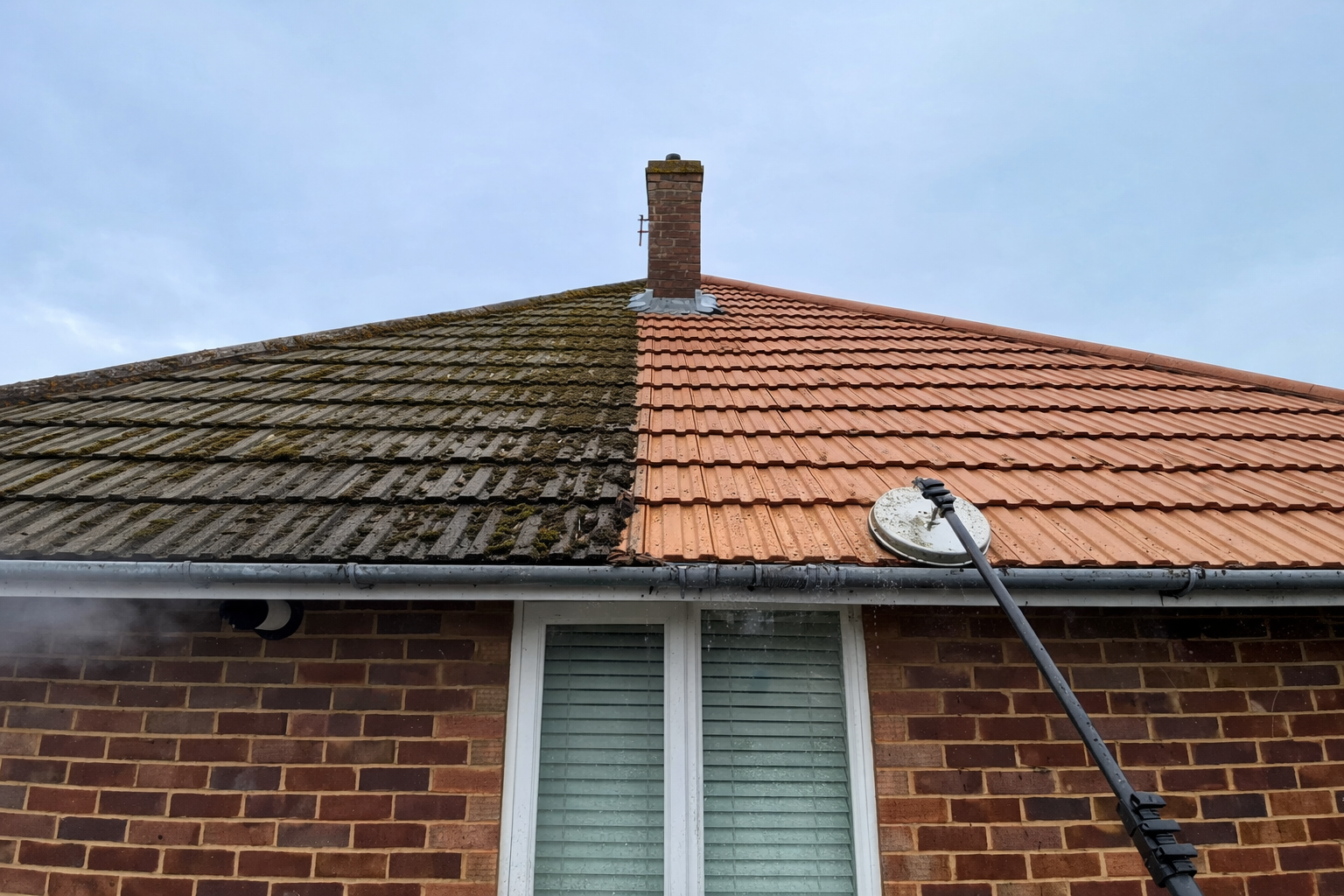
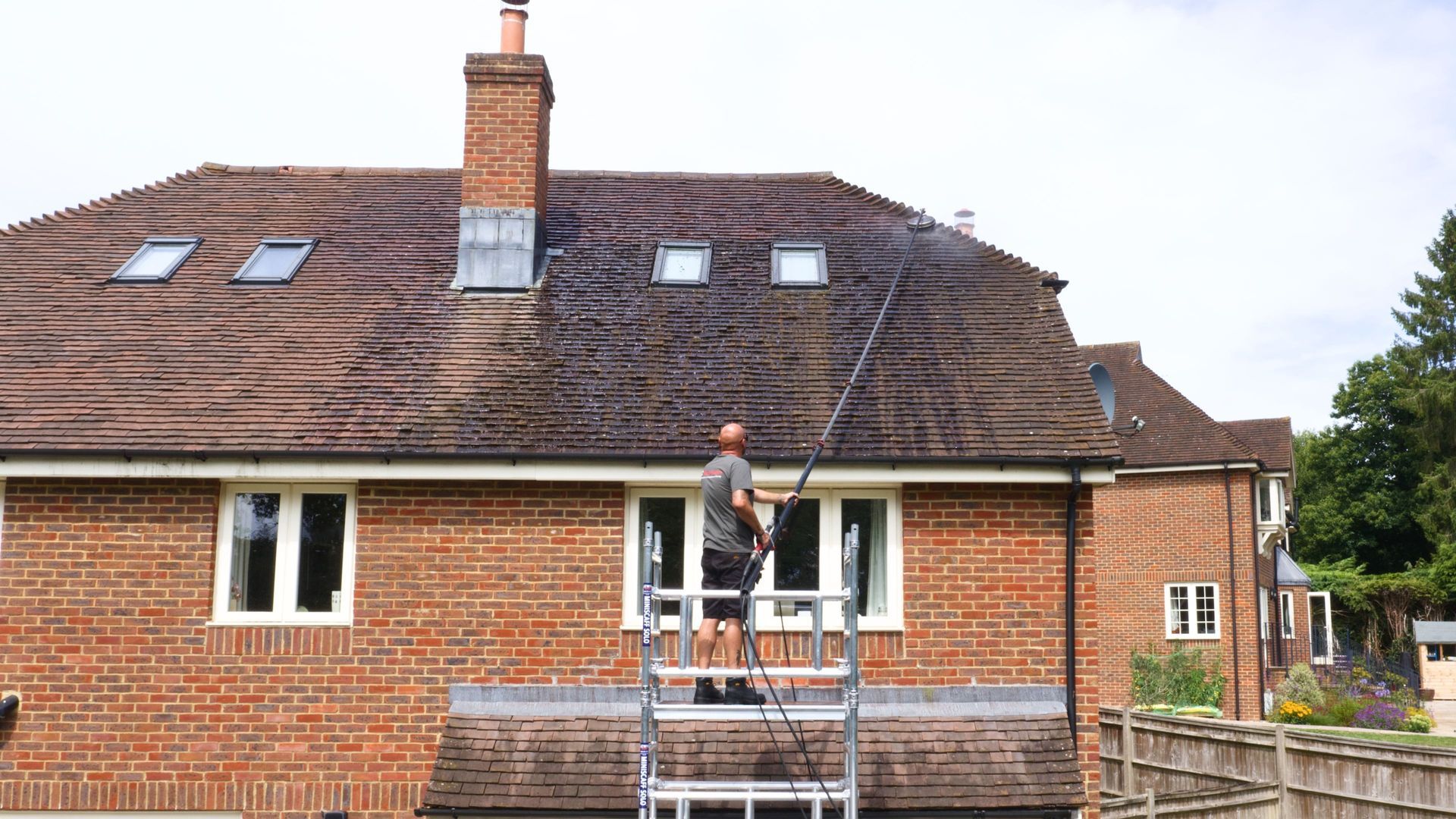
Soft washing is a roof-cleaning method that relies on the cleaning solution rather than brute force. Instead of blasting growth off with a high-pressure jet, it applies gentle, low-pressure cleaning agents that break moss, algae, and lichen down at the source, so the growth is killed and cleared away without the tiles being stressed.
The name captures the idea: the pressure is soft, well within what an aged tile can take, while the cleaning power comes from the treatment doing the work chemically. It is the method roofing professionals increasingly favour for traditional and delicate roofs precisely because it cleans thoroughly without the risks of a jet wash.
2. Why High Pressure Is a Problem
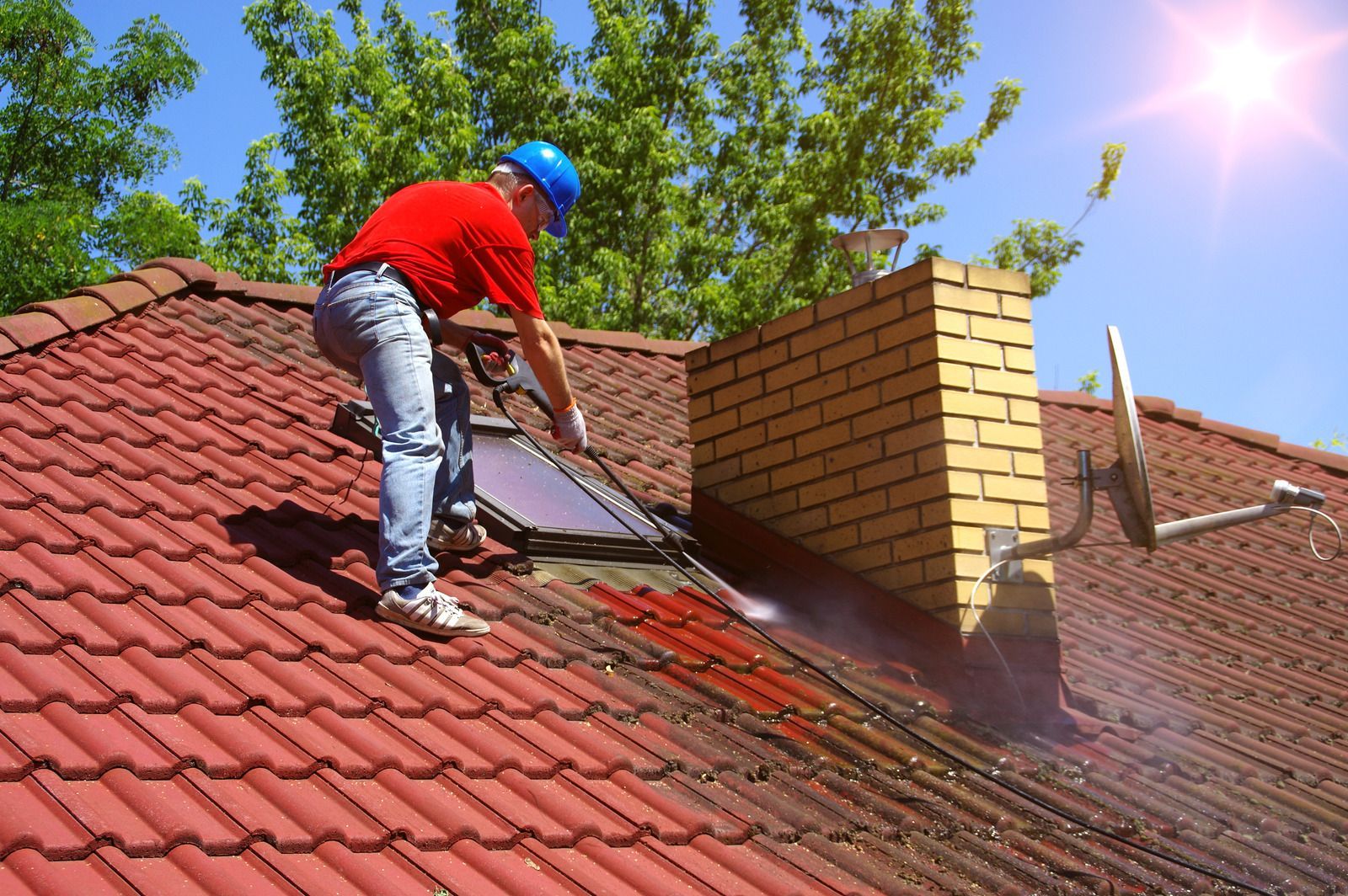
High-pressure jet washing can look impressive, stripping a roof visibly clean in one pass, but on the wrong roof it does real harm. The force can crack aged clay and pantiles, blast the protective surface off tiles, and dislodge them from their fixings. Worse, it can drive water up underneath the tiles and into the roof space, causing damp where there was none.
On Ipswich's traditional pantile, clay, and slate roofs, often old and, near the estuary, weathered by salt, these are not remote risks. A jet wash that seems to save time can leave a roof cracked, stripped, and leaking, storing up expensive problems that far outweigh the quick result.
3. Why Soft Washing Suits Ipswich Roofs
Ipswich has a great many traditional roofs, from the pantiles that are a signature of Suffolk to the clay and slate of its older homes, and these are exactly the roofs that need the gentle approach. Soft washing removes moss and lichen from the curves of pantiles and the surface of old tiles without the force that would crack or dislodge them.
The estuary setting reinforces the case. Salt-weathered tiles are more vulnerable, not less, and driving high-pressure water at a roof by the Orwell risks forcing salt and moisture where they should not go. Soft washing cleans away moss and salt-held grime gently, working with the roof rather than against it.
4. Longer-Lasting Results
Beyond safety, soft washing tends to keep a roof cleaner for longer. Because the treatment kills moss, algae, and lichen at the root rather than merely blasting the visible growth away, what is removed is slower to return. A jet wash can leave living spores behind that regrow quickly, while a thorough soft wash clears the growth more completely.
For an Ipswich homeowner, that means the benefit of a clean roof lasts longer and the intervals between cleans can be greater. Gentle on the tiles and more lasting in its results, soft washing is the more sensible long-term choice as well as the safer one.
5. What to Expect From the Process
A professional soft wash follows a careful, considered sequence rather than a rushed blast. Knowing what it involves helps you see why it is gentler and more thorough:
- Assessment first , checking the roof's materials, age, condition, and estuary exposure before any work.
- Careful access , so the roof is worked on without cracking tiles underfoot.
- Applying the treatment at low pressure, letting the solution break down moss, algae, and lichen.
- Gentle clearing of the loosened growth without stressing the tiles.
- Checking the roof over , flagging any slipped tiles or failing mortar noticed along the way.
The result is a roof that is clean, clear of moss, and undamaged, with any small issues brought to your attention before they grow.
6. The Right Choice for a Suffolk Roof
For most Ipswich homes, and especially those with traditional pantile, clay, or slate roofs near the estuary, soft washing is the clear choice. It removes moss, algae, and lichen thoroughly, protects tiles that are aged and hard to replace, avoids the damp and damage a jet wash can cause, and keeps the roof cleaner for longer.
High pressure has its place on some hard, modern surfaces, but a traditional Suffolk roof is not one of them. Choosing soft washing is choosing to clean the roof in a way that respects its materials, its age, and its estuary setting, which is exactly what an Ipswich roof deserves.
Frequently Asked Questions
What is soft washing?
Soft washing is a roof-cleaning method that uses low pressure combined with specialist cleaning solutions to break down moss, algae, and lichen at the root, clearing them away without the force of a high-pressure jet.
Why is soft washing better than pressure washing for my roof?
High pressure can crack aged tiles, strip their surface, dislodge them, and force water underneath. Soft washing cleans thoroughly at low pressure, avoiding that damage, which matters on Ipswich's traditional, salt-weathered roofs.
Is soft washing suitable for pantile and traditional roofs?
Yes. It is especially well suited to them. It removes growth from the curves of pantiles and the surface of old clay and slate without the force that would crack or dislodge these delicate tiles.
Does soft washing keep a roof cleaner for longer?
Generally yes. Because it kills moss, algae, and lichen at the root rather than just blasting the visible growth away, the growth is slower to return, so the results last longer than a jet wash.
Is soft washing safe near the estuary?
Yes. It is a good fit for the estuary setting, cleaning away moss and salt-held grime gently rather than driving high-pressure water at salt-weathered tiles, which reduces the risk of forcing moisture into the roof.
Want your Ipswich roof cleaned the safe way?
Ben's Roof Cleaning uses gentle soft washing to clean roofs, remove moss, and clear gutters across Ipswich and Suffolk, protecting traditional tiles, with over 15 years of experience. Get in touch or call 0147 335 3923
for a free, no-obligation quote.
Gentle by Design, Safe for Suffolk Roofs
How a roof is cleaned matters as much as whether it is cleaned, especially in Ipswich, where traditional pantile, clay, and slate roofs meet a salty estuary setting. High-pressure jet washing risks cracking tiles, stripping their surface, and forcing water underneath, while gentle soft washing removes moss, algae, and lichen at the root without any of that harm, and keeps the roof cleaner for longer. For an Ipswich home, it is both the safer and the more sensible choice, cleaning the roof in a way that respects the tiles and the town's estuary conditions alike.