Roof Cleaning for Ipswich's Historic and Waterfront Homes
Ipswich is one of England's oldest towns, a working port since Anglo-Saxon times, and its long history is written across its buildings. From the timber-framed merchant houses of the old town, like the famous Ancient House with its elaborate pargeting, to the fine properties that grew up along the waterfront on the wealth of the wool and cloth trade, Ipswich is rich in historic homes. Their roofs, often traditional clay, pantile, or slate, are part of what makes the town so characterful, but they are delicate and, near the estuary, exposed to salt and damp. This detailed guide explains how to keep an Ipswich historic or waterfront roof clean without harming it.
The quick answer: Ipswich's historic and waterfront homes typically have traditional clay, pantile, or slate roofs that are beautiful but fragile and hard to match, and near the Orwell they face salt and estuary damp too. Gentle, low-pressure soft washing by someone who understands old, coastal roofs is the safe way to keep them clear of moss.
1. A Town Rich in Historic Homes
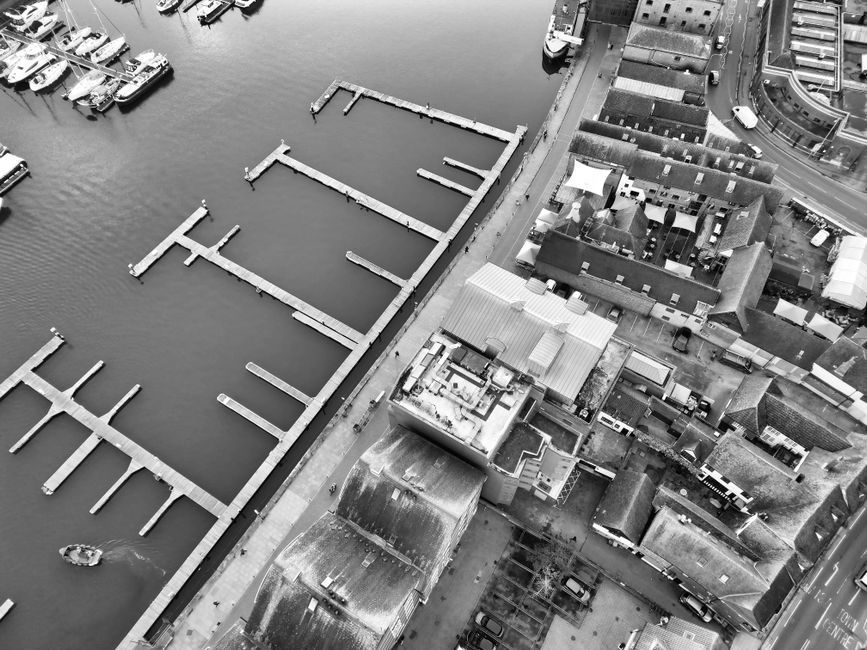
Few English towns can match Ipswich's depth of history. As one of the oldest continuously settled towns in the country and a major medieval port, it grew wealthy on the export of East Anglian cloth, and that prosperity left a legacy of fine merchant houses and characterful old buildings. The Ancient House in the Buttermarket, with its Tudor pargeting and carvings, is only the most famous of many.
Along the waterfront, the merchant class built handsome homes and warehouses close to the river that made their fortunes, and the town's old streets are full of period property. All of this means Ipswich has a great many traditional roofs, of clay, pantile, and slate, that need careful, knowledgeable cleaning.
2. What Makes These Roofs Delicate
The roofs on Ipswich's historic homes were made with traditional materials that age in ways modern tiles do not. Handmade clay and pantiles grow brittle and porous with the decades, natural slate becomes more fragile, and the mortar, battens, and timber beneath may be original and no longer as strong as they once were.
This means a historic Ipswich roof cannot be treated like a modern one. What a hard-wearing concrete tile shrugs off, an aged pantile or slate may not, so the whole approach has to be adjusted to the materials and the age of the roof rather than applied from a standard template.
3. The Added Challenge of the Estuary
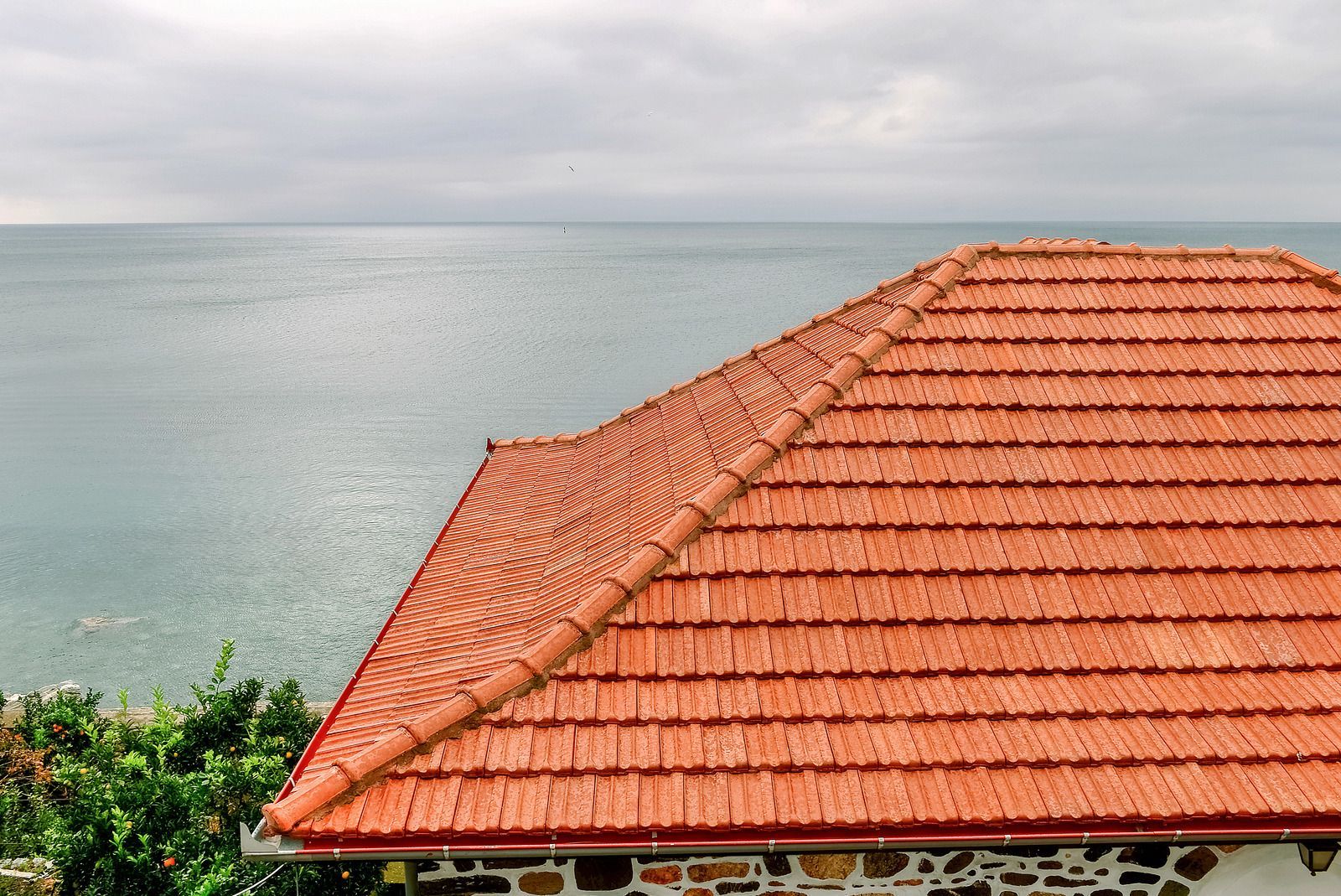
Ipswich's historic homes face a challenge that inland period buildings do not: the Orwell estuary. Salt carried on the air off the tidal water settles on the tiles and holds moisture against them, and the town's estuary damp and wind add to the pressures on ageing roofs. On an already delicate historic roof, these coastal factors strengthen the case for gentle, careful handling.
Salt-held damp also encourages moss and algae on shaded slopes, so a historic waterside roof often needs both the gentleness its materials demand and regular attention to keep growth from establishing. The two go together.
4. The Risk of the Wrong Method
On a historic roof, an aggressive clean is not merely unhelpful; it can cause serious, lasting harm. High-pressure washing can crack brittle slate and pantiles, strip the surface off old clay, and dislodge tiles held by ageing mortar. Walking carelessly across the roof can break tiles that had many years of life left in them.
The consequences are severe because these materials are so hard to replace. Matching original Ipswich pantiles, handmade clay, or period slate is difficult and expensive, and on a listed building it may need particular care and permissions. Protecting the tiles you have is almost always far better than replacing what a careless clean has broken.
5. The Gentle, Informed Approach
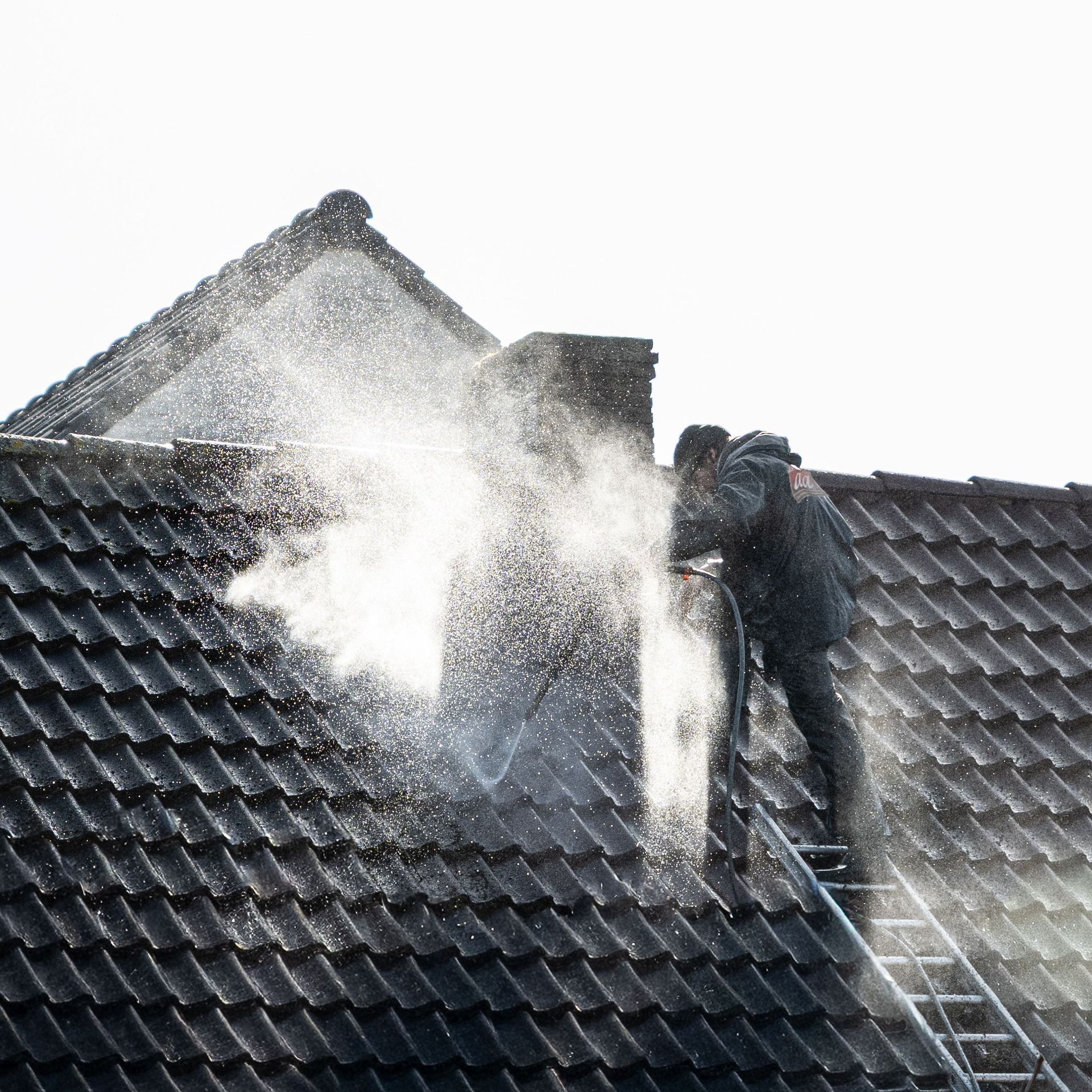
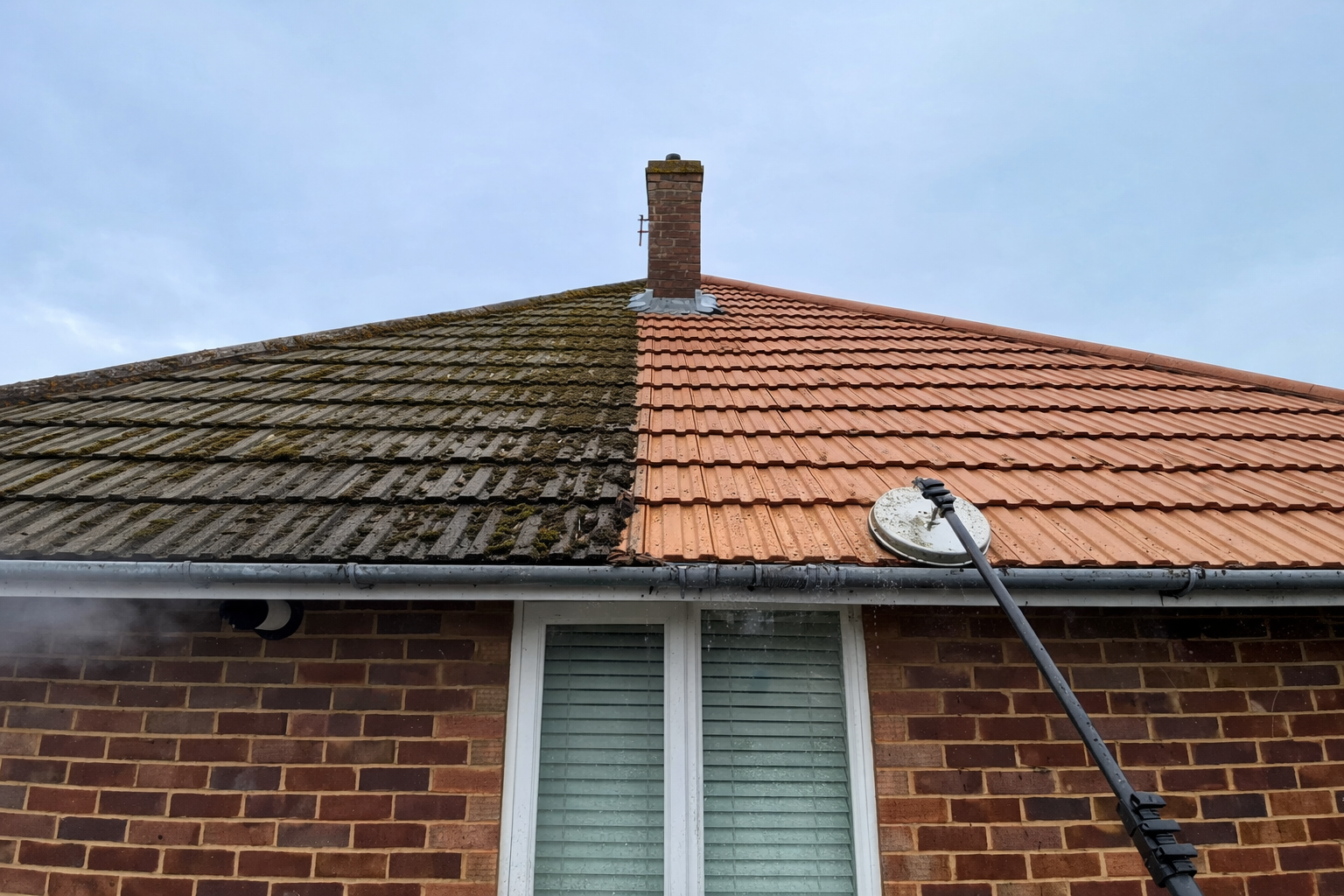
The safe way to clean an Ipswich historic or waterfront roof is soft washing: low pressure combined with cleaning solutions that lift moss, algae, lichen, and salt-held grime without force. It works with the fragile, weathered materials rather than against them, removing growth thoroughly while leaving the original tiles intact.
Just as important is the person doing the work. A cleaner who understands both traditional roofs and estuary conditions will assess the materials first, tread carefully, and adjust their method to the roof's age, materials, and exposure. On listed or waterfront buildings, that sensitivity matters even more.
6. Caring for a Historic Roof Over Time
With older roofs in a salty, damp setting, prevention is especially valuable. Regular, gentle cleaning stops moss and lichen reaching the point where heavy intervention is needed, which is exactly the kind of intervention that puts fragile, irreplaceable tiles at risk. A routine check also catches small issues, a slipped pantile, failing mortar, before wind-driven estuary rain turns them into leaks. Signs worth watching for include:
- Moss lodging in the tiles , especially on shaded, estuary-facing slopes.
- Crusty lichen on old clay, pantile, or slate surfaces.
- Slipped or cracked tiles , worked on by estuary wind.
- Failing mortar at ridges and verges, worn by salt-held damp.
- Moss shedding into the gutters , linking roof and drainage.
7. Protecting Ipswich's Heritage
Ipswich's historic and waterfront roofs are part of the character of one of England's oldest towns, and they are worth looking after properly. A well-kept traditional roof supports the appearance and value of a historic home, while a damaged or badly cleaned one detracts from both and can be costly to put right.
Treated with gentle, informed care matched to both their age and their estuary setting, Ipswich's historic roofs stay clear of moss without any risk to the tiles, and continue to grace a townscape shaped by centuries of trade and craft. That is a responsibility worth taking seriously, and an easy one to meet with the right approach.
Frequently Asked Questions
Can historic pantile, clay, and slate roofs be cleaned safely?
Yes, with the right method. Gentle, low-pressure soft washing removes moss, algae, lichen, and salt-held grime without the force that can crack brittle old tiles, and it is matched to the roof's age, materials, and estuary exposure.
Why is pressure washing bad for a historic Ipswich roof?
High pressure can crack aged pantiles and slate, strip the surface off old clay, and dislodge tiles held by original mortar. On irreplaceable historic tiles, that damage is both likely and expensive.
Do waterfront roofs need cleaning more often?
Often, yes. Salt and estuary damp keep surfaces wet and encourage growth on shaded slopes, so regular gentle cleaning helps keep a historic waterside roof clear without harsher intervention.
Is it hard to replace period roof tiles in Ipswich?
Yes. Matching original pantiles, handmade clay, or period slate is difficult and costly, and on listed buildings may need particular care, which is why protecting the existing tiles matters so much.
Do I need permission to clean a listed building's roof?
Cleaning to remove moss is generally maintenance and does not require consent, but repair or alteration to a listed building might, so it is wise to check with the local authority before any structural work.
Own a historic or waterfront home in Ipswich?
Ben's Roof Cleaning cleans traditional and period roofs gently and safely across Ipswich and Suffolk, protecting original tiles while removing moss, with over 15 years of experience. Get in touch or call 0147 335 3923
for a free, no-obligation quote.
Care for the Roofs of an Ancient Port
Ipswich's historic and waterfront homes are a living part of one of England's oldest towns, from the Tudor merchant houses of the old streets to the fine properties along the Orwell. Their traditional clay, pantile, and slate roofs are beautiful and enduring, but delicate, hard to match, and, by the estuary, exposed to salt and damp. Soft washing by someone who understands old, coastal roofs keeps them clear of moss without risking the tiles. Treat an Ipswich historic roof with that care, and it will keep protecting its building, and its history, for generations yet.